support@bizdata360.com
 +1-650-283-1644
 AI Enabled Data Integrations and AnalyticsAI Enabled Data Integrations and Analytics
As technology nodes shrink, manufacturing processes become more intricate and expensive.
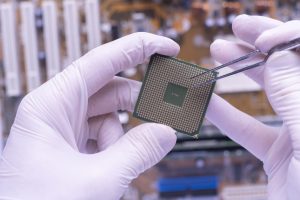
The compression of semiconductor devices necessitates meticulous quality control.

Demand fluctuations can impact profitability and customer satisfaction.

Companies must adapt to the rapidly evolving tech landscape. Emerging technologies like AI, IoT, and 5G are fueling demand for advanced chips.

Incorporating tools like AI and automation to facilitate innovation and maintain a competitive edge is crucial.

The relentless pursuit of compression puts pressure on quality control, yield improvement, and time-to-market.

Coordinating with global suppliers adds logistical complexities. Managing cross-geography operations becomes challenging.

Global events like COVID-19 exposed vulnerabilities in the semiconductor supply chain, impacting production from raw materials to delivery.

The semiconductor industry is heavily influenced by geopolitical tensions, which can lead to trade restrictions and tariffs.

Relying on few suppliers for critical materials risks disruptions. Supply issues can cause major delays and raise costs.

Semiconductor companies face challenges in navigating global trade, environmental, and manufacturing regulations.

Manufacturers must adopt sustainable practices to meet tightening environmental regulations, focusing on waste reduction and eco-friendly processes.


© Copyright 2026 Bizdata Inc. | All Rights Reserved
 Watch Demo