support@bizdata360.com
 +1-650-283-1644
 AI Enabled Data Integrations and AnalyticsAI Enabled Data Integrations and Analytics
Disparate data sources create inefficiencies and lack comprehensive insights.

Variability in data quality leads to inaccurate assessments affecting decisions.

Lengthy processing times frustrate customers and increase operational costs significantly.

Insufficient analytical capabilities hinder accurate risk prediction and pricing strategies.

Inability to process data in real-time limits responsiveness to market changes effectively.

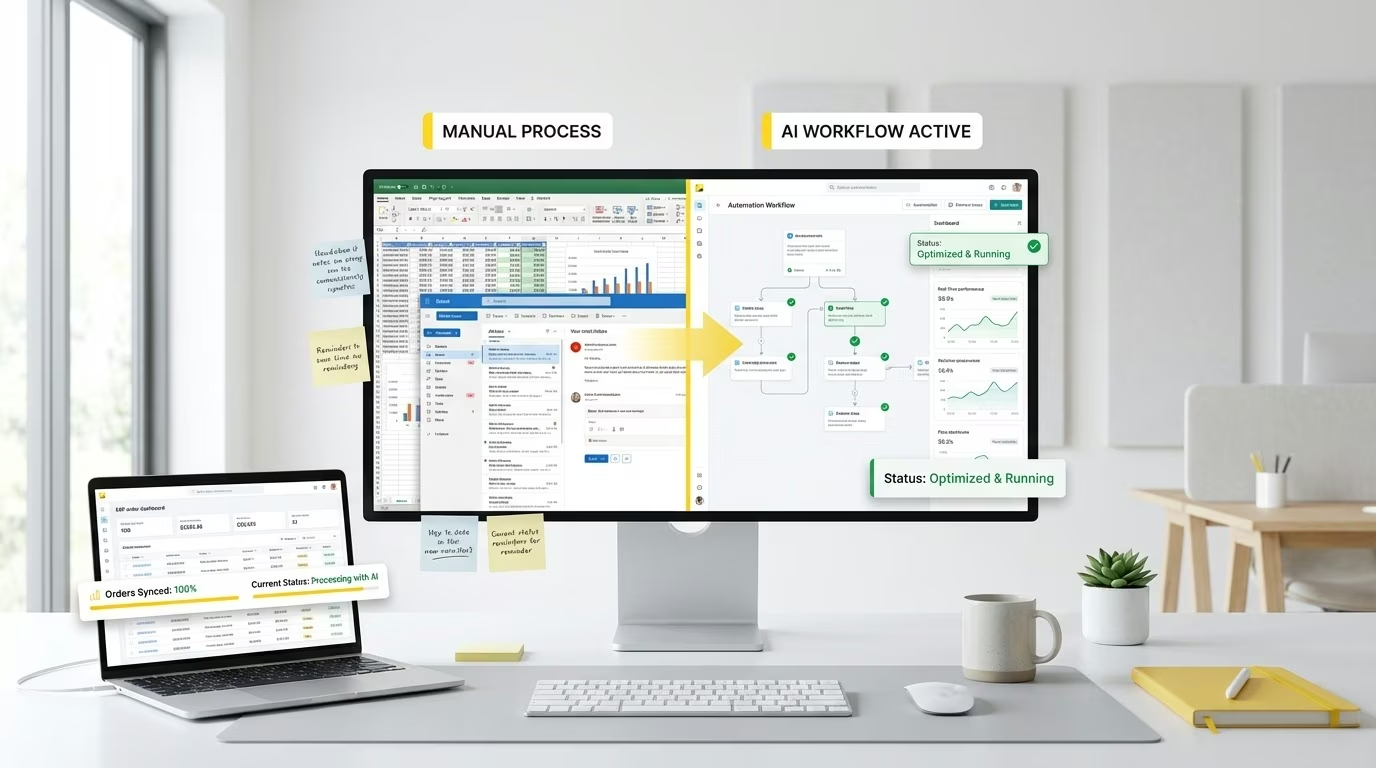
Manual processes driven by poor integration led to increased operational expenses significantly.

Integration challenges prevent leveraging external data for accurate risk assessment.

Keeping pace with innovations like AI, blockchain, and IoT.

Outdated systems complicate the adoption of modern data solutions and technologies.

Managing data from various channels complicates customer experience and operational efficiency.

Managing diverse risks and regulations across different markets.

Keeping up with customer demands for new, flexible insurance products.


© Copyright 2026 Bizdata Inc. | All Rights Reserved
 Watch Demo